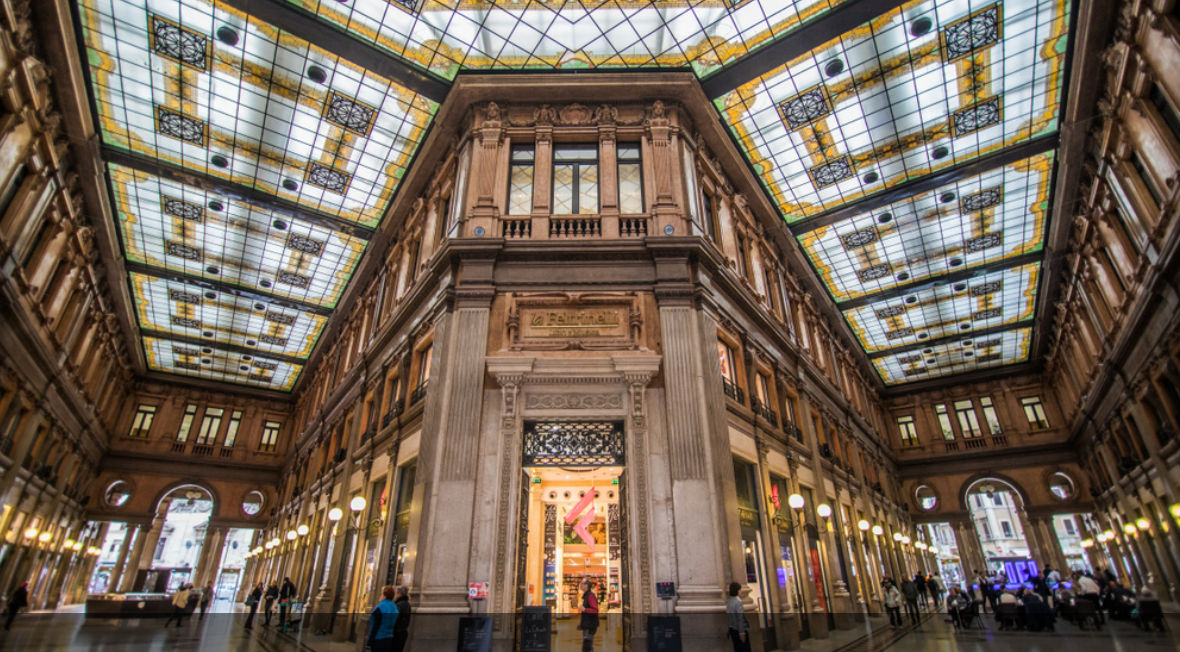
Maintaining structural longevity without compromising heritage aesthetics is a primary challenge when designing or restoring historical blueprints. For architects working with classical architecture, traditional materials often present challenges in weight, structural fatigue, and ongoing conservation costs.
Today, advanced metallurgy bridges the gap between historical symmetry and contemporary performance. High-performance Colorbond products offer a versatile solution, allowing designers to preserve the visual weight and elegance of traditional pillars, pediments, and expansive rooflines while utilizing modern engineering.
Honoring Tradition with Advanced Engineering
- Refined Aesthetics: Replicates the clean profiles and historical textures required for traditional architectural styles.
- Structural Longevity: Advanced metallic coatings provide exceptional defense against environmental degradation, preserving the shape of intricate profiles.
- Thermal Efficiency: Integrates specialized paint technology that reflects solar heat, improving interior comfort without altering the exterior aesthetic.
Designing Legacies for the Future
Sustaining the structural integrity of a classical silhouette requires materials that withstand severe atmospheric exposure. Whether handling high humidity or coastal salinity, engineered steel panels act as a protective shield for complex geometries.
By integrating Colorbond products into historic restorations or classical revivals, architects can achieve the precise visual character of traditional craftsmanship. This balanced approach ensures that grand, historic profiles remain resilient, visually striking, and functionally sound for generations to come.
Brief Q&A
Q: Can these materials match the strict aesthetic guidelines of classical architecture?
A: Yes. The available matte finishes and tailored color palettes allow Colorbond products to integrate seamlessly with traditional stone, brick, and classic structural elements.
Q: How does this steel solution perform on high-pitched or complex roof profiles?
A: The material offers excellent design flexibility, allowing it to be formed into distinct historical profiles and deep valleys without cracking or weakening the substrate.
Q: Do these structural solutions contribute to building sustainability?
A: Definitely. The steel is fully recyclable and incorporates solar reflectance technology, helping classical designs meet modern energy-efficiency standards.